First Aid for Moving House: A guide to decluttering
As many as two in three people would like to own fewer possessions. Yet 50% buy things they never use. These findings come from a Radar survey among 19,000 respondents.
As part of the national design consortium Rethink – Inspiring Ideas for a Circular City, four designers and municipalities explored how changing the way we think and act can help reduce the use of raw materials. In other words: how we can consume less.
CHANGENCY seized the moment of moving house as an opportunity to help residents make more conscious choices about their belongings and buy fewer new things.
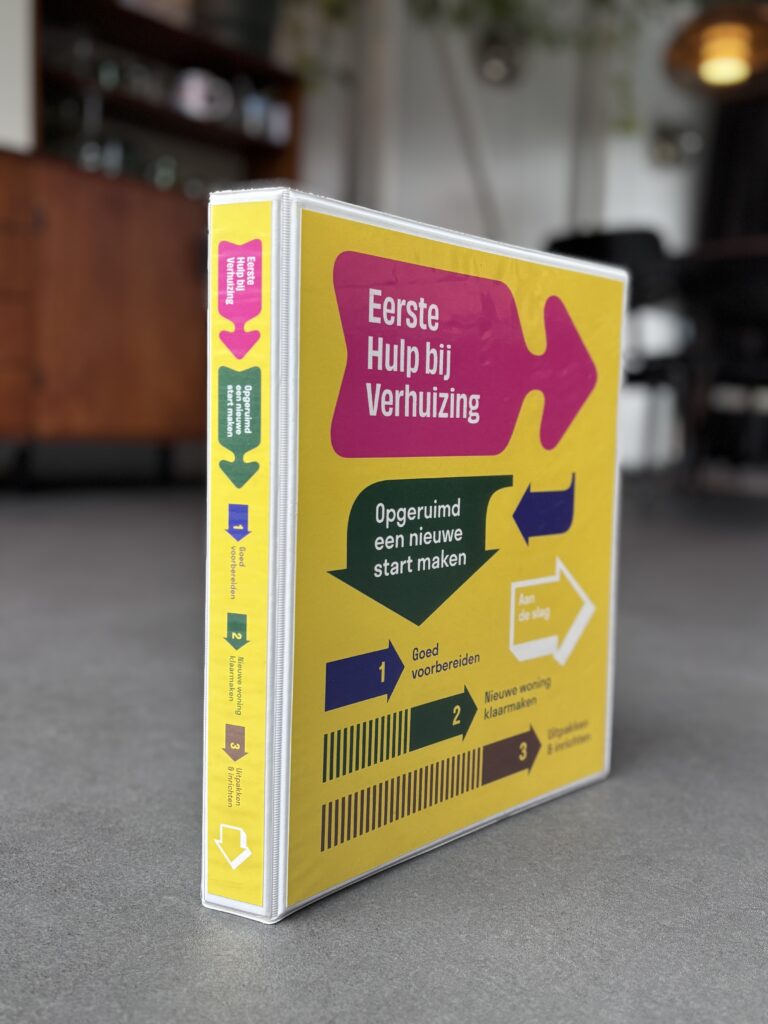
In collaboration with the City of Amsterdam, we developed Moving First Aid—a practical folder that brings clarity to a chaotic period and guides people step by step in making smarter choices about their belongings: throwing away less, repairing more, borrowing or renting instead of buying, and choosing sustainable products.
Approach
Change the process | Change the product
Client
Slijpstof
Partners
The City of Amsterdam , housing corporation Stadgenoot
Involved
Andrea Vos (design research), Jillem (graphic design)
Year
2025/2026
Them
Circular Economy
The Challenge
As part of the large-scale redevelopment of the Wildemanbuurt in Amsterdam New-West, many residents are required to move. Some have limited financial resources or mobility, or lack a strong social network. Moving is also an emotional and stressful experience. At such times, people often choose the quickest solution: throwing things away.
The central question was:
How can we use the moving momentum to help residents make more conscious decisions about their belongings and buy fewer new things?
Insight
At the same time, moving is a natural decision-making moment. People are already considering three questions: What should I take with me? What can go? What do I need in my new home? Providing clear guidance, practical support and appealing alternatives at precisely that moment can make circular behaviour much easier.
Strategy & plan of action
Through design-led research, we identified the practical and emotional barriers residents encounter. We spoke with residents and professionals, organised a community dinner and tested ideas in the neighbourhood. Three principles guided our approach:
- Offer support when people are most receptive to it.
- Make circular alternatives practical, local and affordable.
- Do not point the finger; offer a helping hand.
Creative Concept
Three questions that everyone asks when moving form the common thread:
What should I take? What can go? What do I need in my new home?
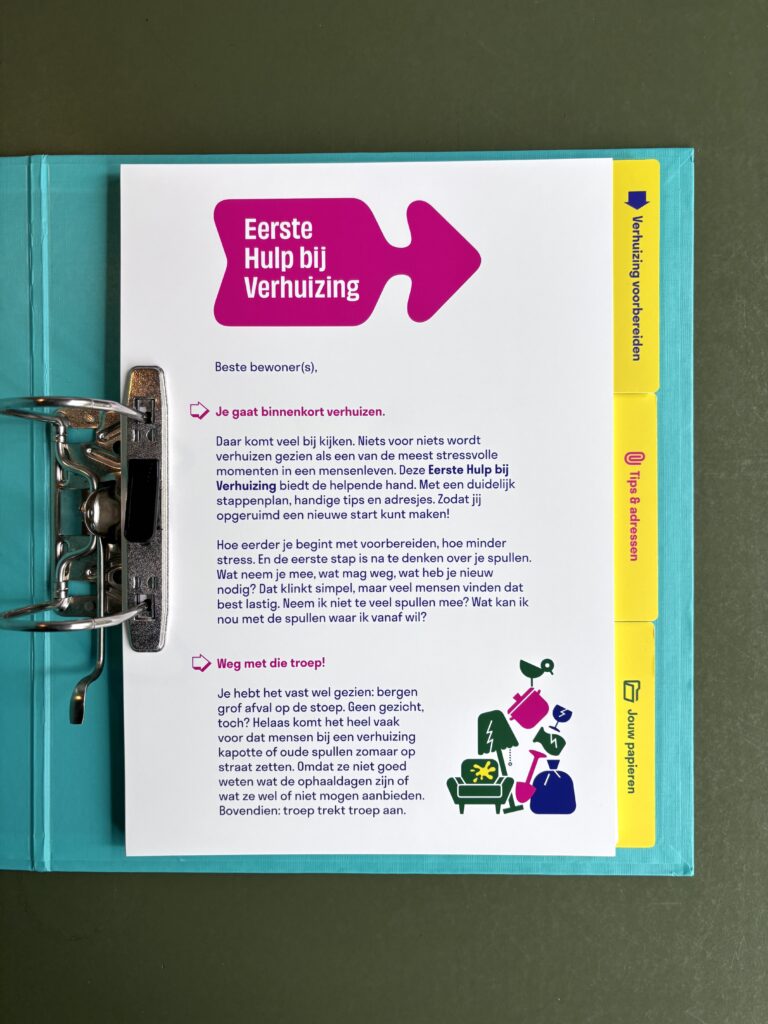
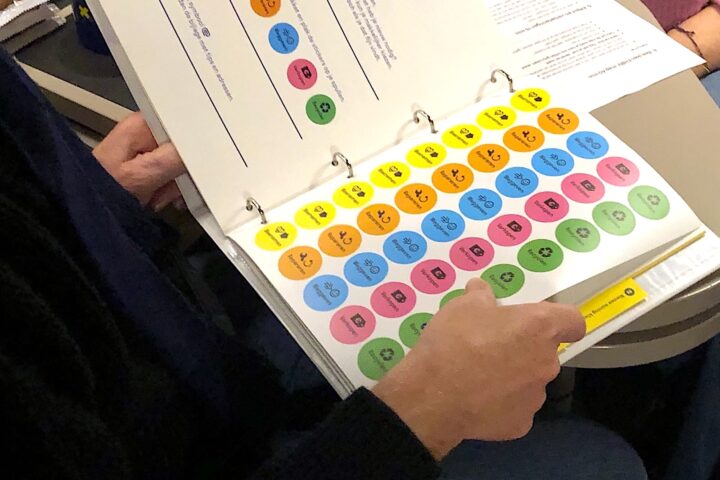
Decision-making tools, stickers, checklists, tips and local addresses encourage residents to repair, donate, sell or recycle their belongings. Those who need certain items are introduced to alternatives to buying new, such as buying second-hand, borrowing, renting or leasing.
Sustainability is therefore presented not as an additional burden, but as a way to save money, time and effort.
Research & Implementation
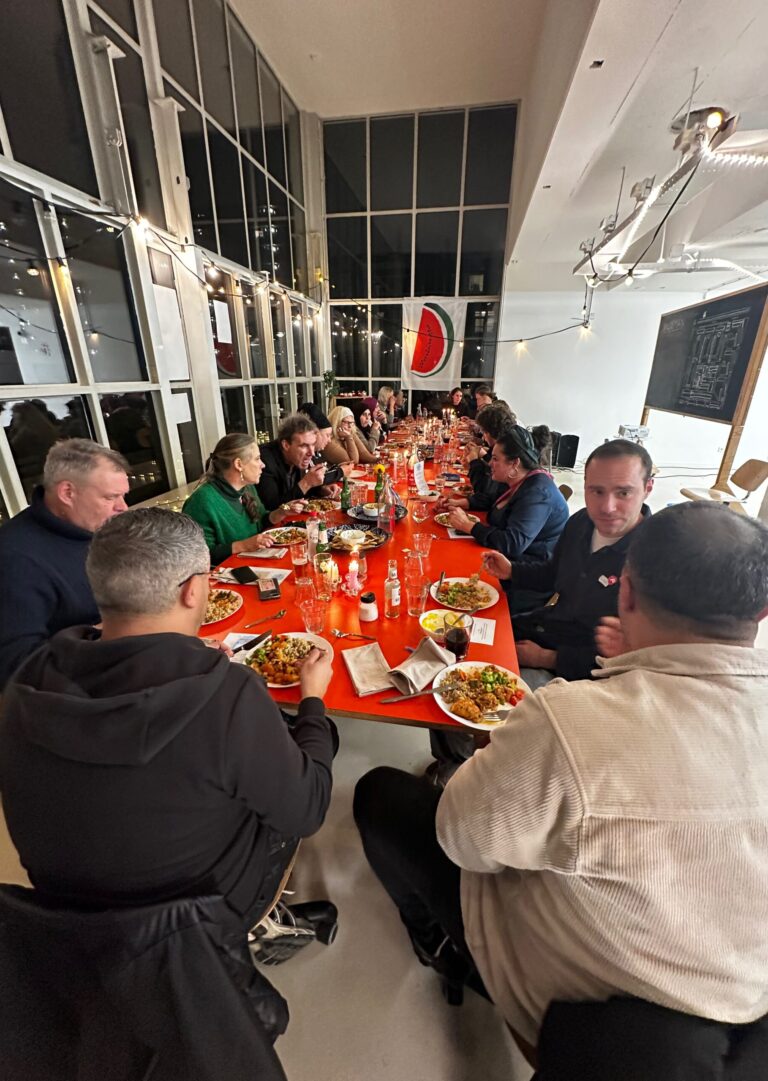
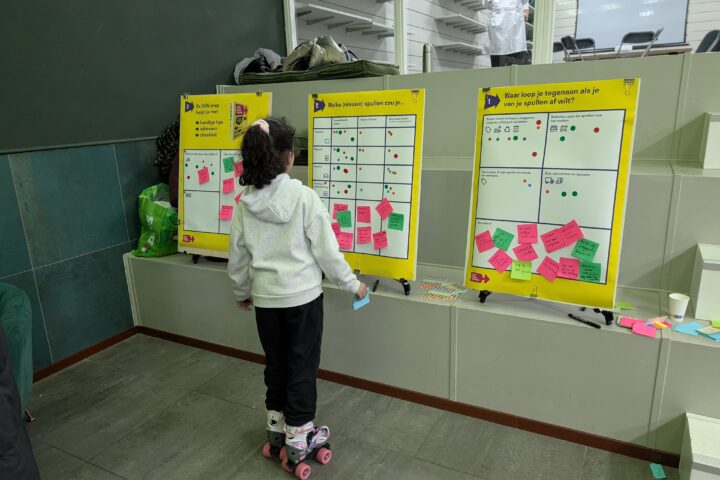
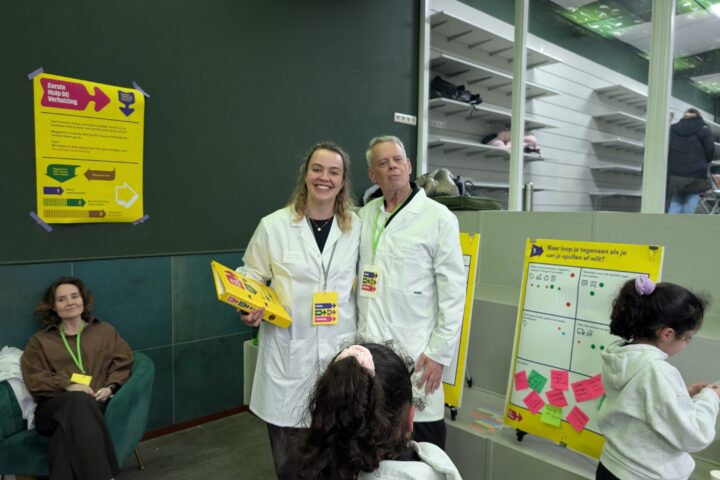
Different topics were discussed between courses. The dinner revealed that many residents experience moving as stressful and emotional, feel they own too many things and would welcome practical support.
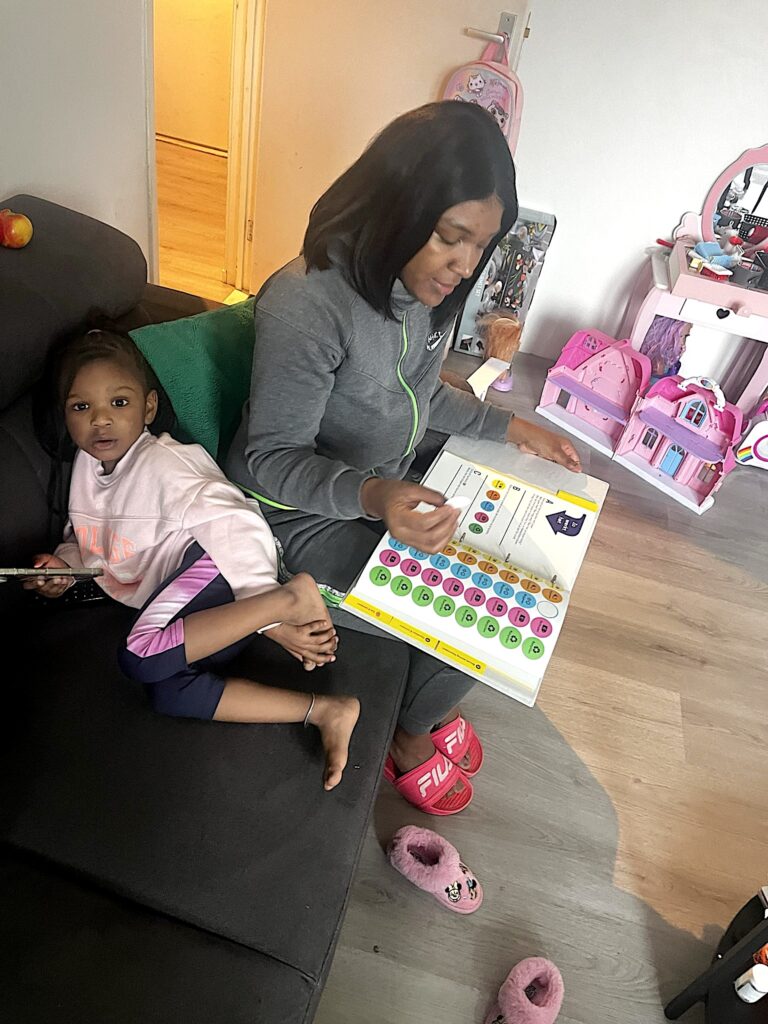
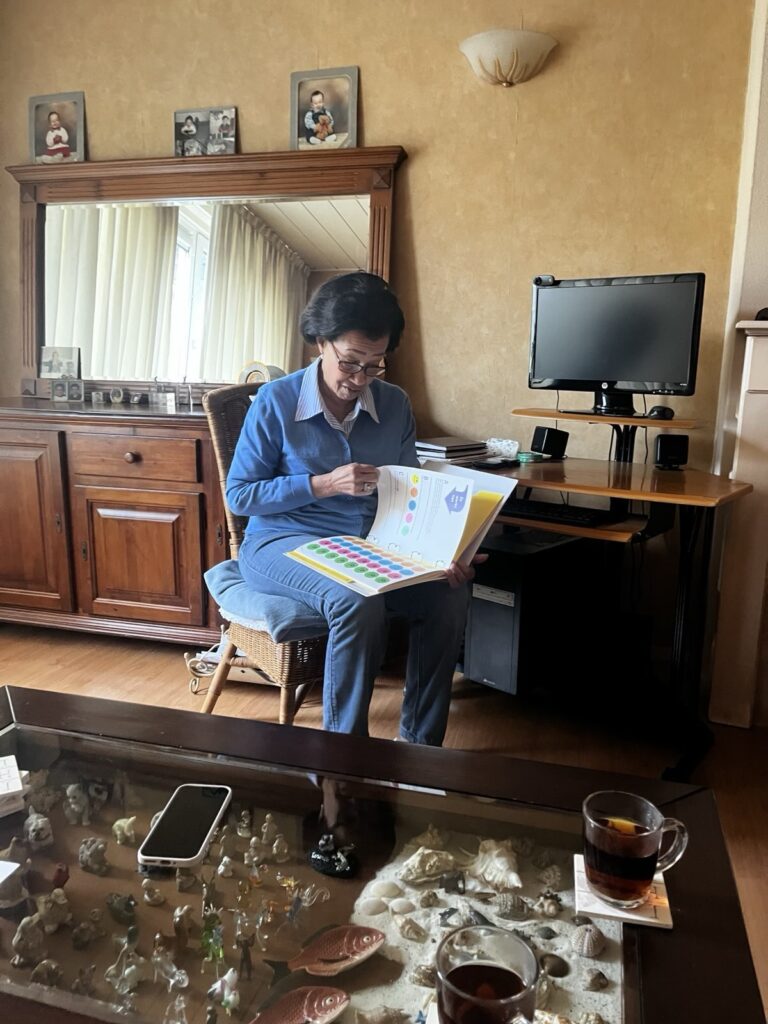
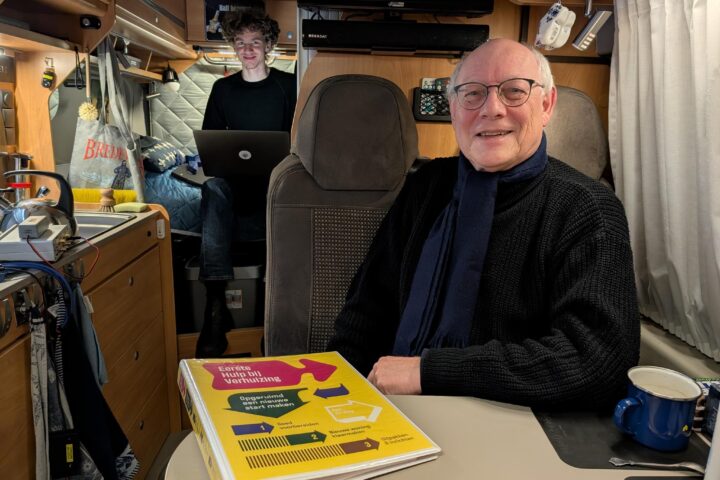
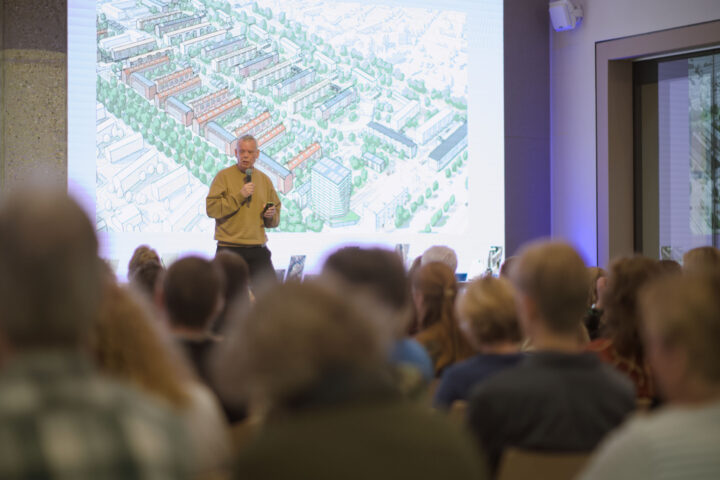
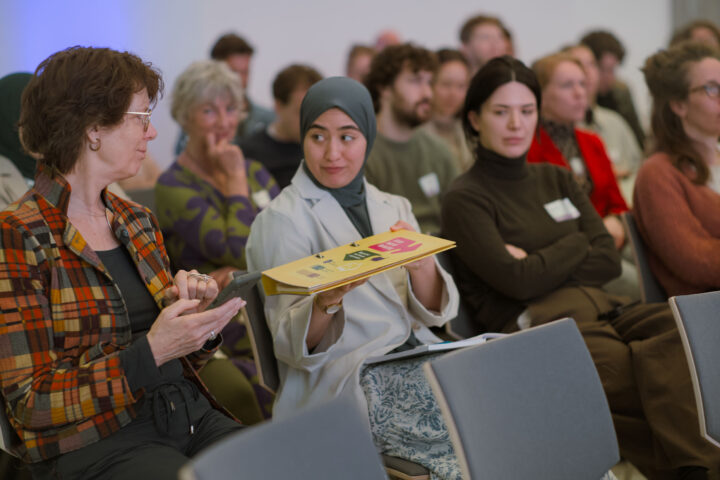
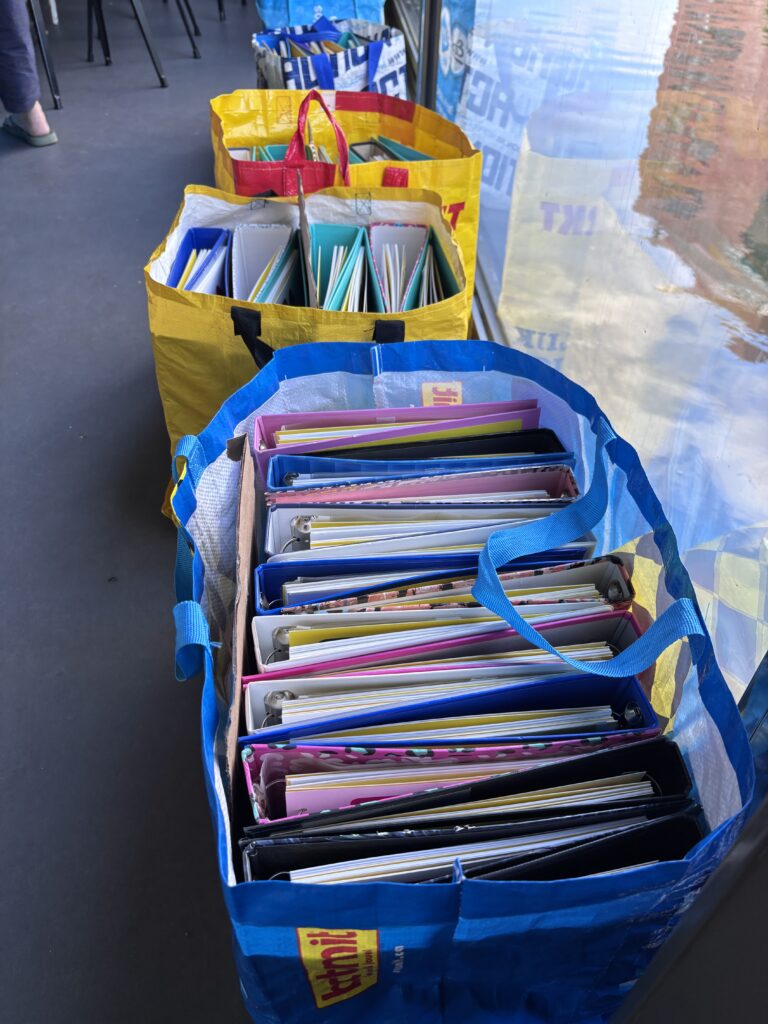
After analysing the outcomes, CHANGENCY explored several possible creative interventions. First Aid for Moving House emerged as the most promising concept. A ring binder was chosen because its contents can easily be updated or adapted. The folder was tested with residents during home visits and subsequently at a large residents’ meeting in Amsterdam New-West.
Based on their feedback, the prototype was refined. The final folder includes:
- A decision-making tool and sticker sheet for sorting belongings;
- A moving schedule and checklist;
- Tips for repairing, donating, selling and recycling;
- Alternatives to buying new;
- Local addresses for practical help, repairs and second-hand shops;
- Information about bulky waste and municipal collection days.
Results
More importantly, residents felt seen and understood during a period that is often stressful and emotionally charged,
From prototype to roll-out
The project resulted in a scalable concept that combines a standard format with locally relevant information. This means the folder can be adapted relatively easily for other neighbourhoods and municipalities.
First Aid for Moving House demonstrates that circular behavioural change does not begin with a general awareness campaign, but with removing the practical barriers that make disposal the default option. By responding to what people need at a pivotal moment in their lives, throwing away less and making more conscious choices become the most attractive options.
Update: In the summer of 2026, a pilot will begin in Amsterdam New-West involving 60 residents who are due to move. CHANGENCY is responsible for the design and production of the ring-binder; The City of Amsterdam and housing association Stadgenoot will distribute it among participants, while research agency Motivaction will monitor its use and evaluate the results
About the Client
Within this consortium, CHANGENCY was paired with the City of Amsterdam’s Waste and Resources Department. Interim experiments and findings were shared during joint learning sessions. The final results were presented at a major symposium in The Hague.
More about the Rethink project: https://slijpstof.nl/projecten-rethink-ontwerpconsortium/